FAQE-commerce Platform FAQs
First clarify the products, customers, prices, inventory, payment, logistics, after-sales and system connections, and then determine the pages, functions, cycle and budget.
Which companies are suitable for e-commerce platform development?
Suitable for brands, manufacturing companies, trading companies and service providers who want to allow customers to browse products, register accounts, submit orders and complete payments online. Whether retail, wholesale, inquiry or mixed trading models are required should be determined based on the products, customers and fulfillment methods.
What pages and functions do e-commerce platforms usually include?
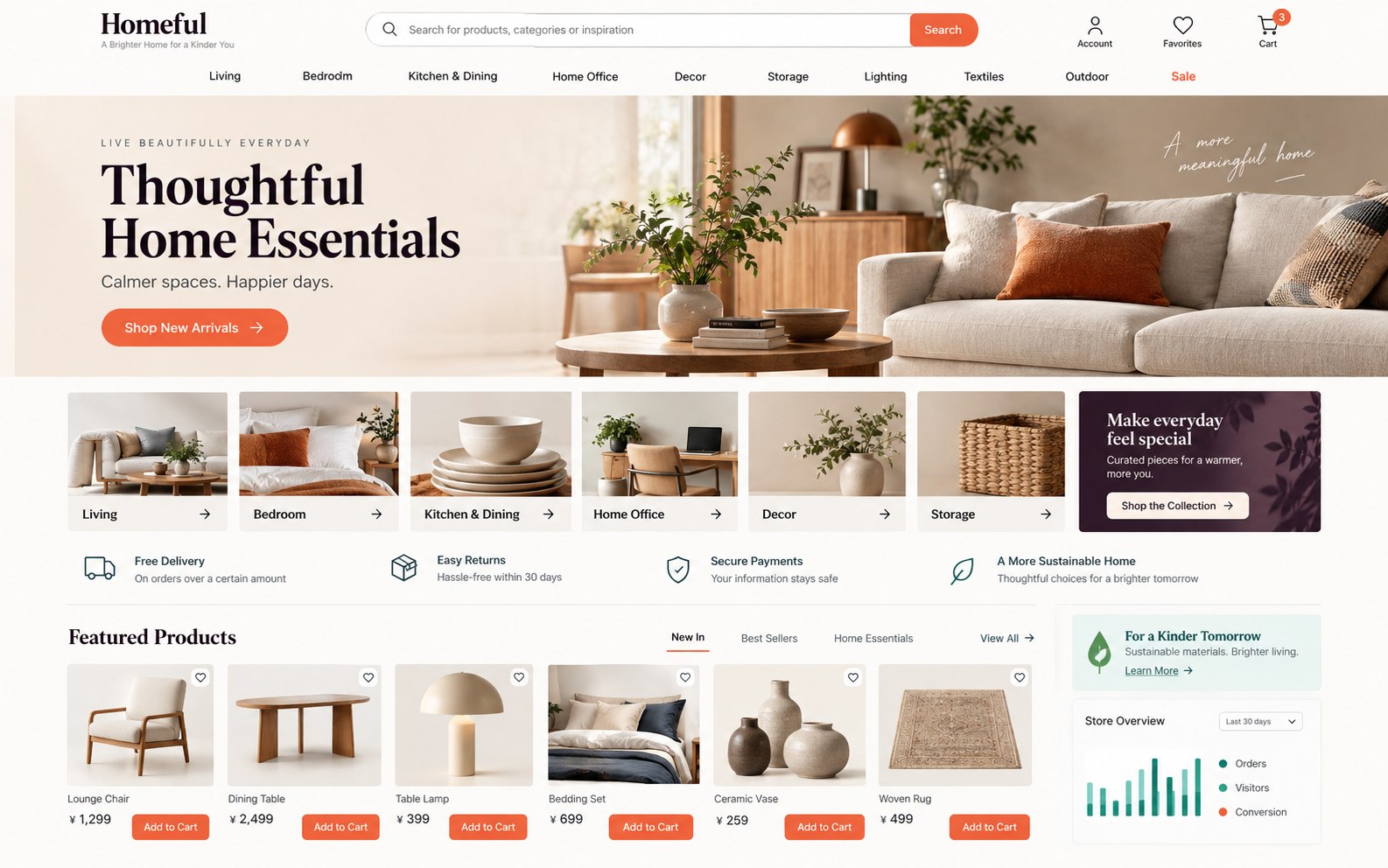
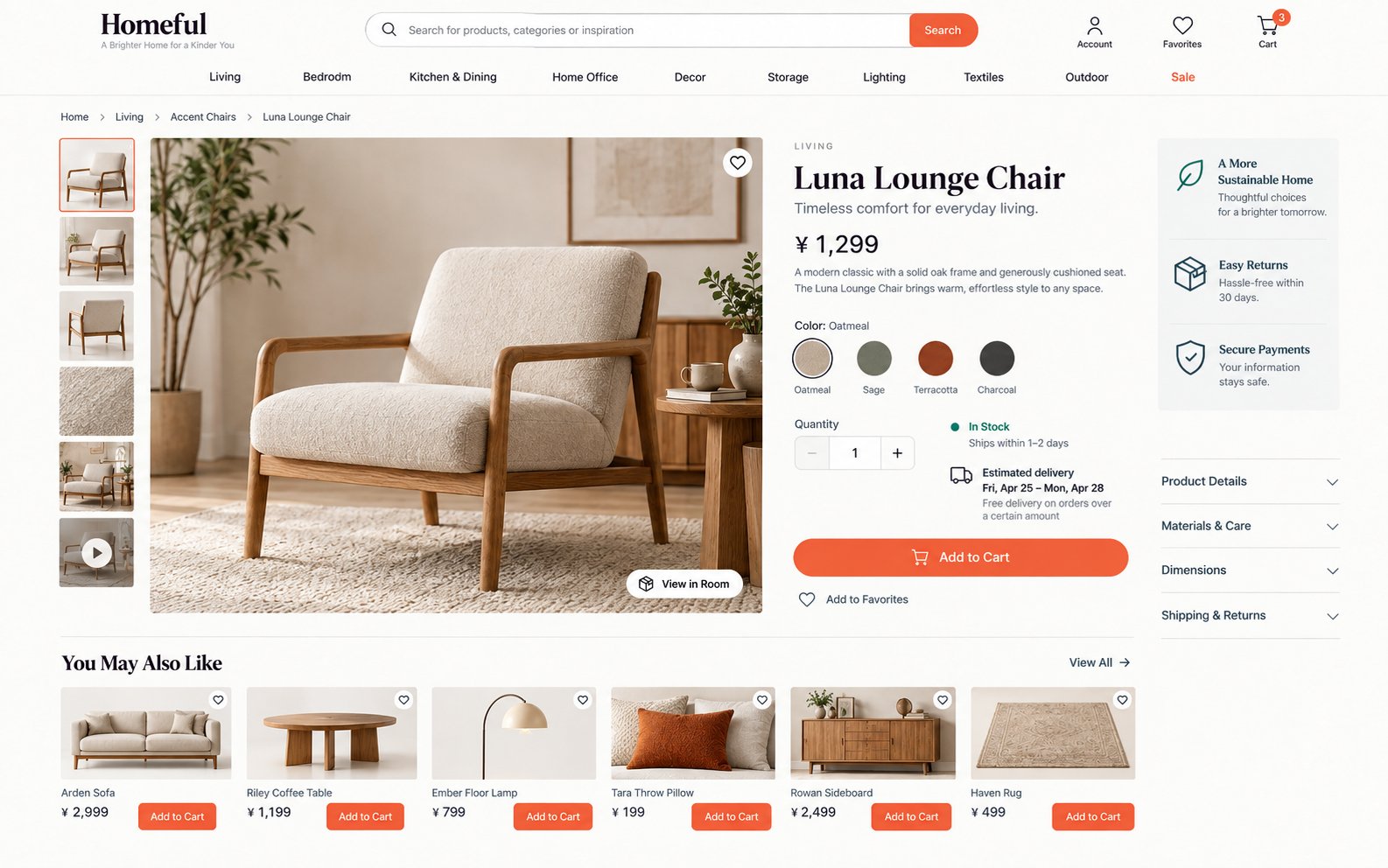
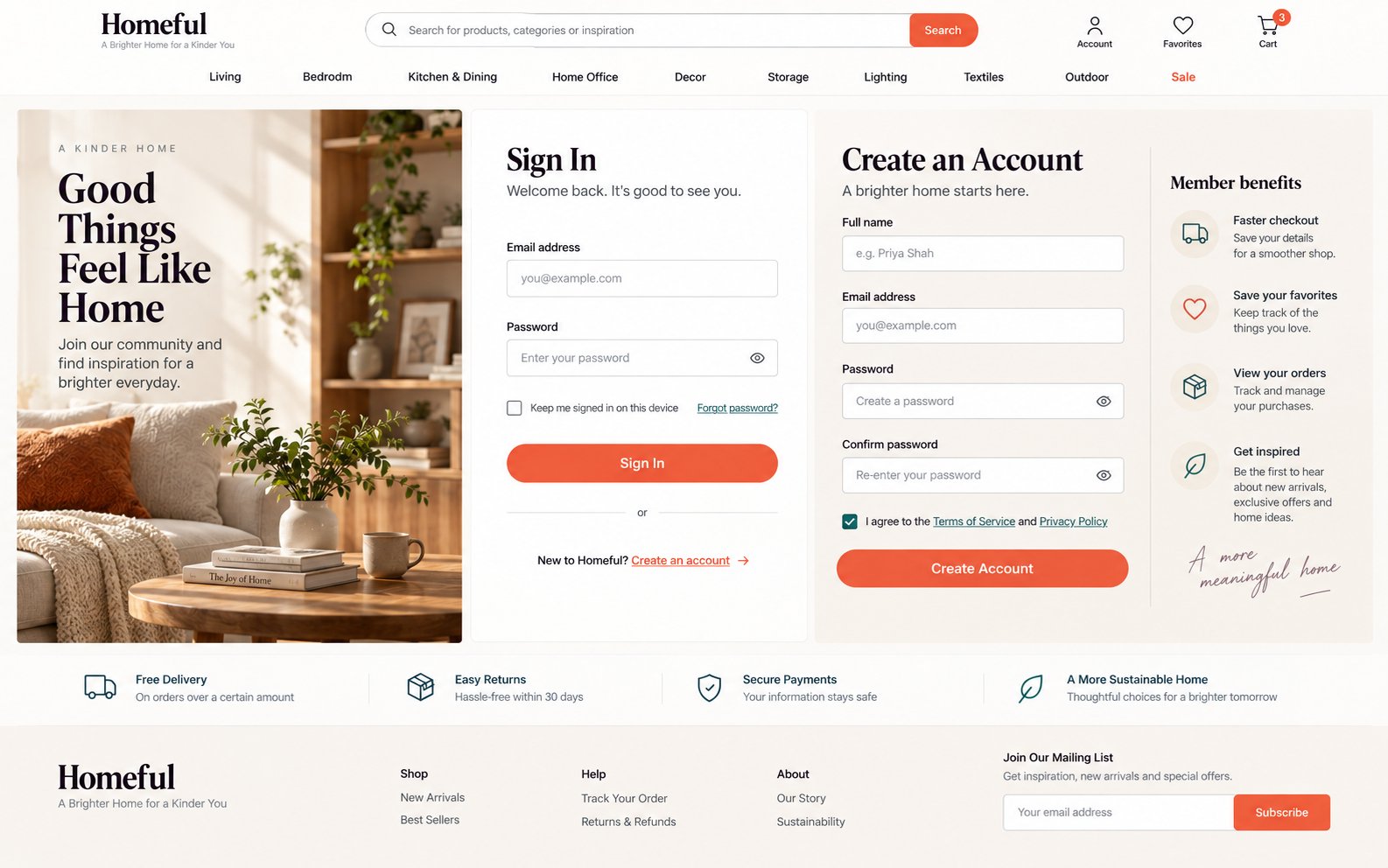
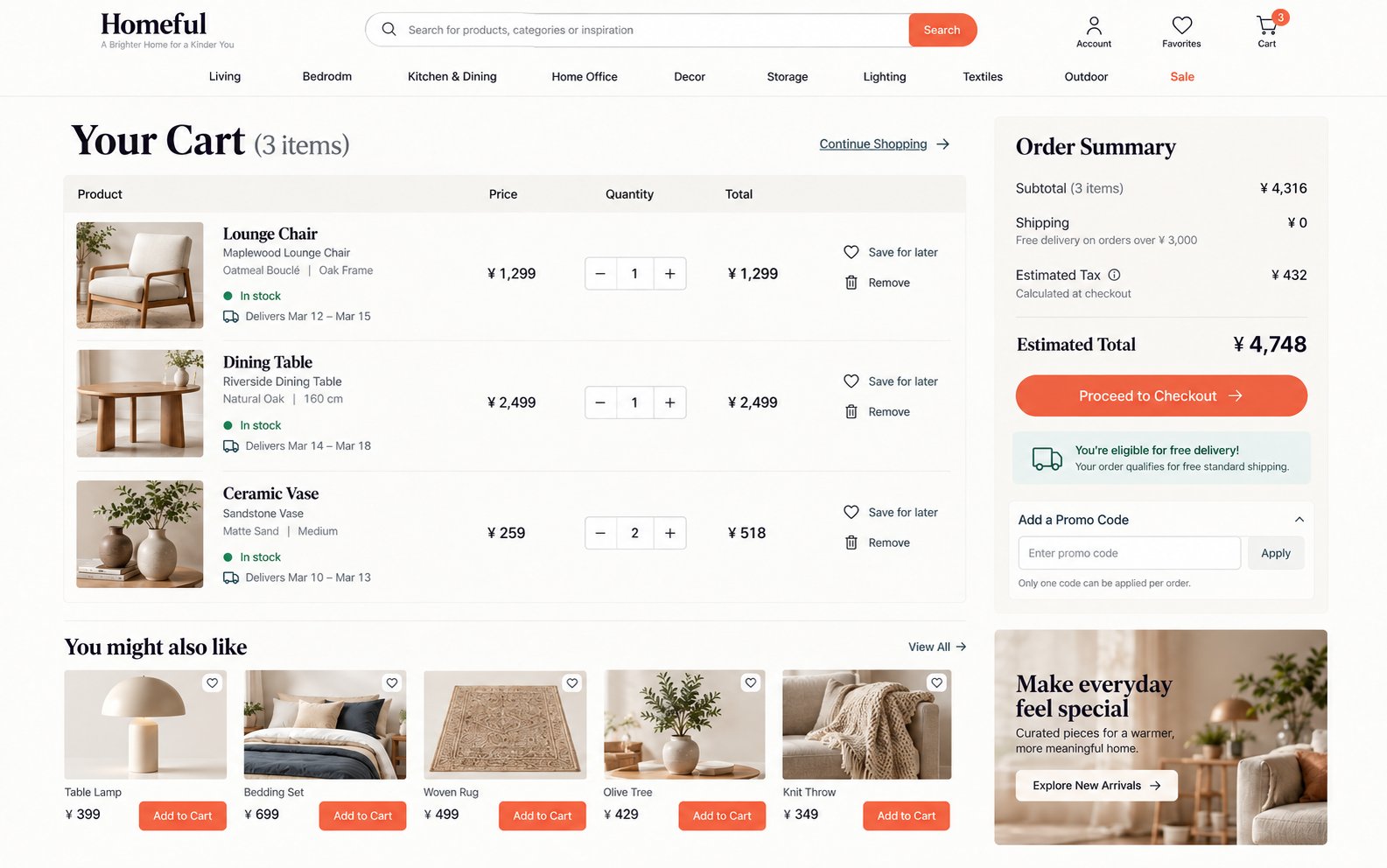
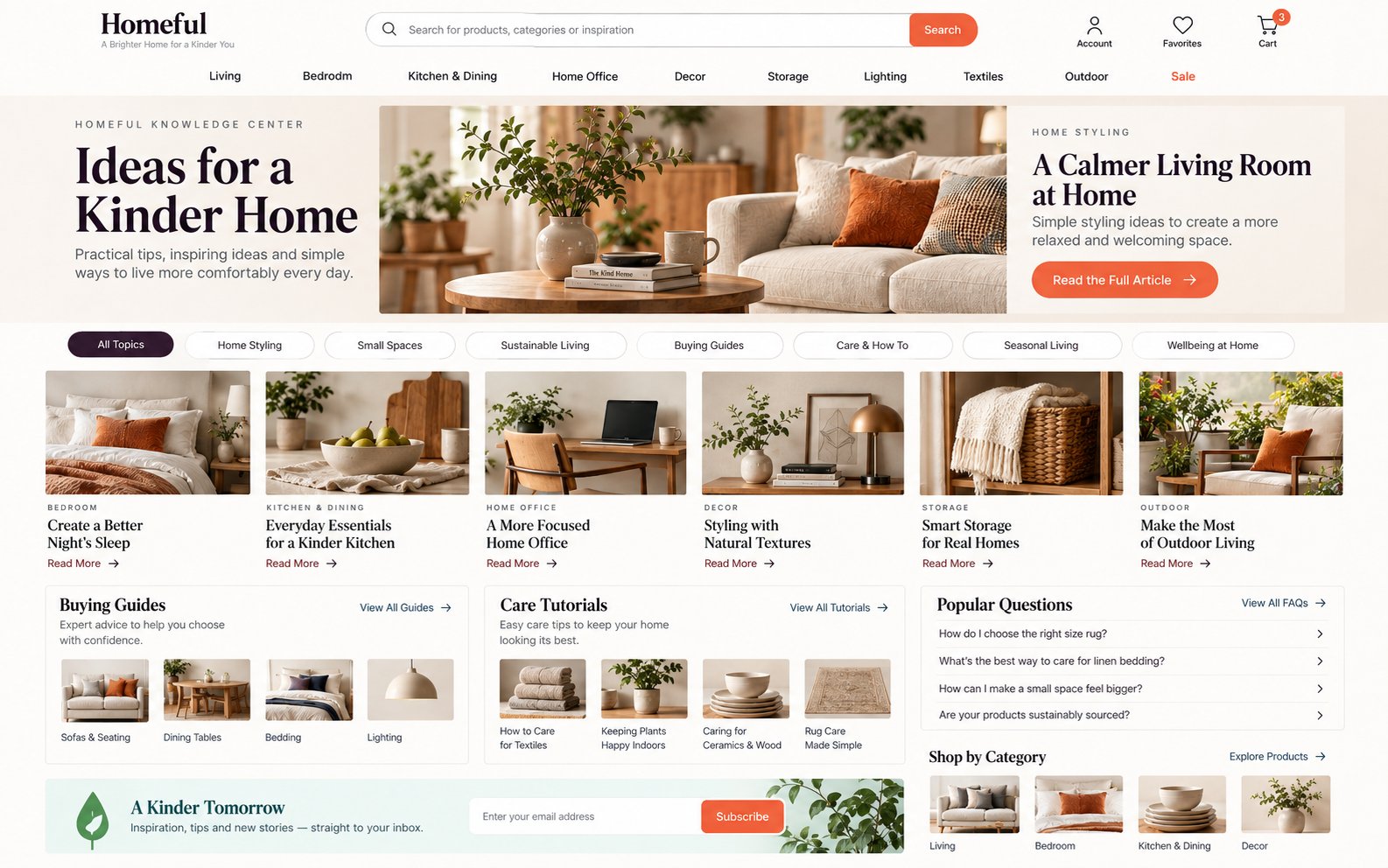
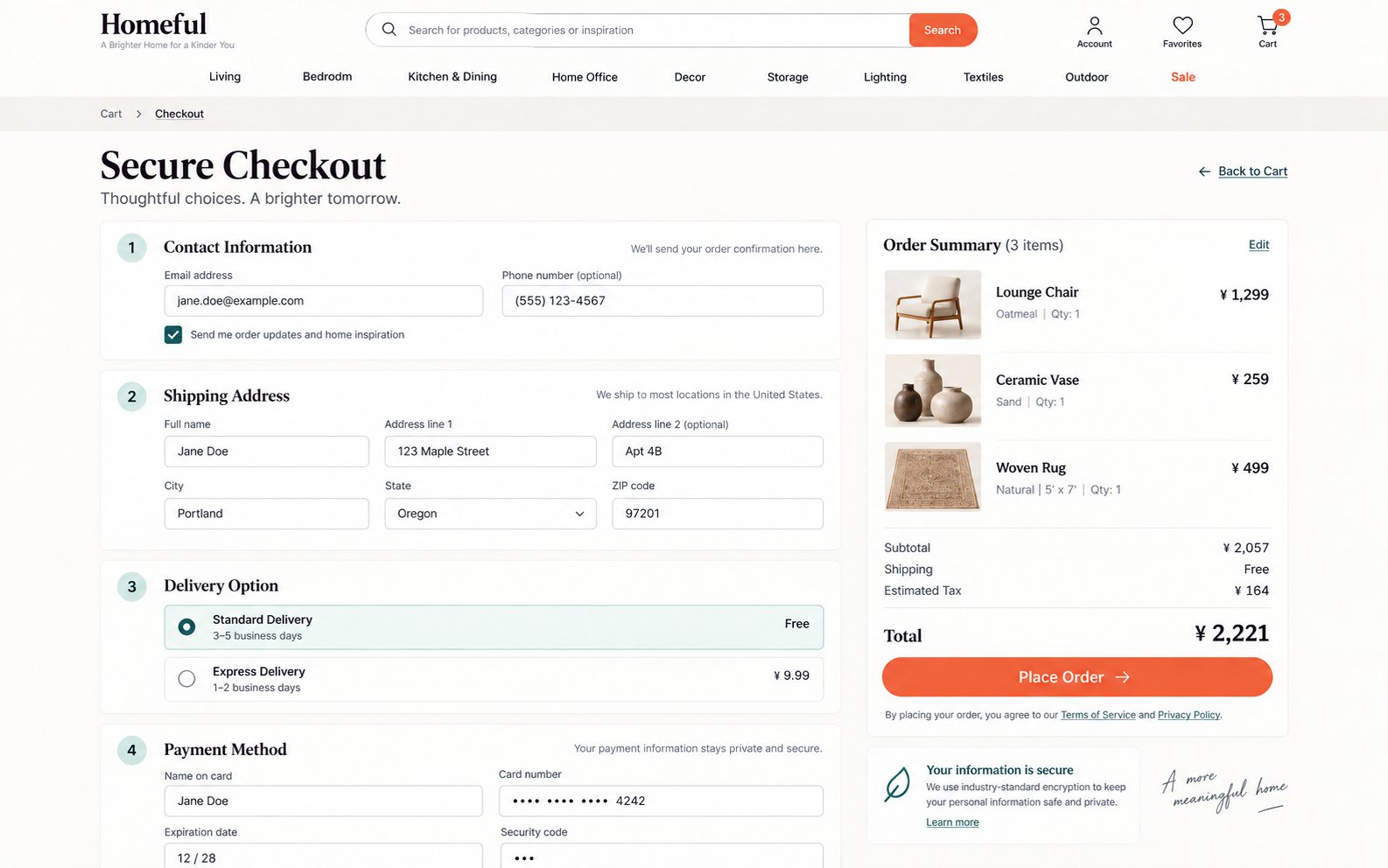
The basic scope usually includes homepage, product browsing, product details, registration and login, shopping cart, settlement and payment, customer backend, knowledge center, about us, and connects logistics, payment and order management capabilities by business.
Can product prices, taxes and shipping be calculated according to different rules?
Yes. Before development, it is necessary to clarify the retail price, membership price, tiered price or inquiry rules, as well as sales area, tax, weight and volume, distribution area and free shipping conditions, and then determine the calculation logic and front-end instructions.
What payment and logistics systems can be connected?
It can connect to qualified payment gateways, logistics inquiries, freight calculations and delivery interfaces according to the target market and service provider capabilities. The actual available range, rates, billing cycle, interface permissions and compliance requirements are determined by the corresponding service provider.
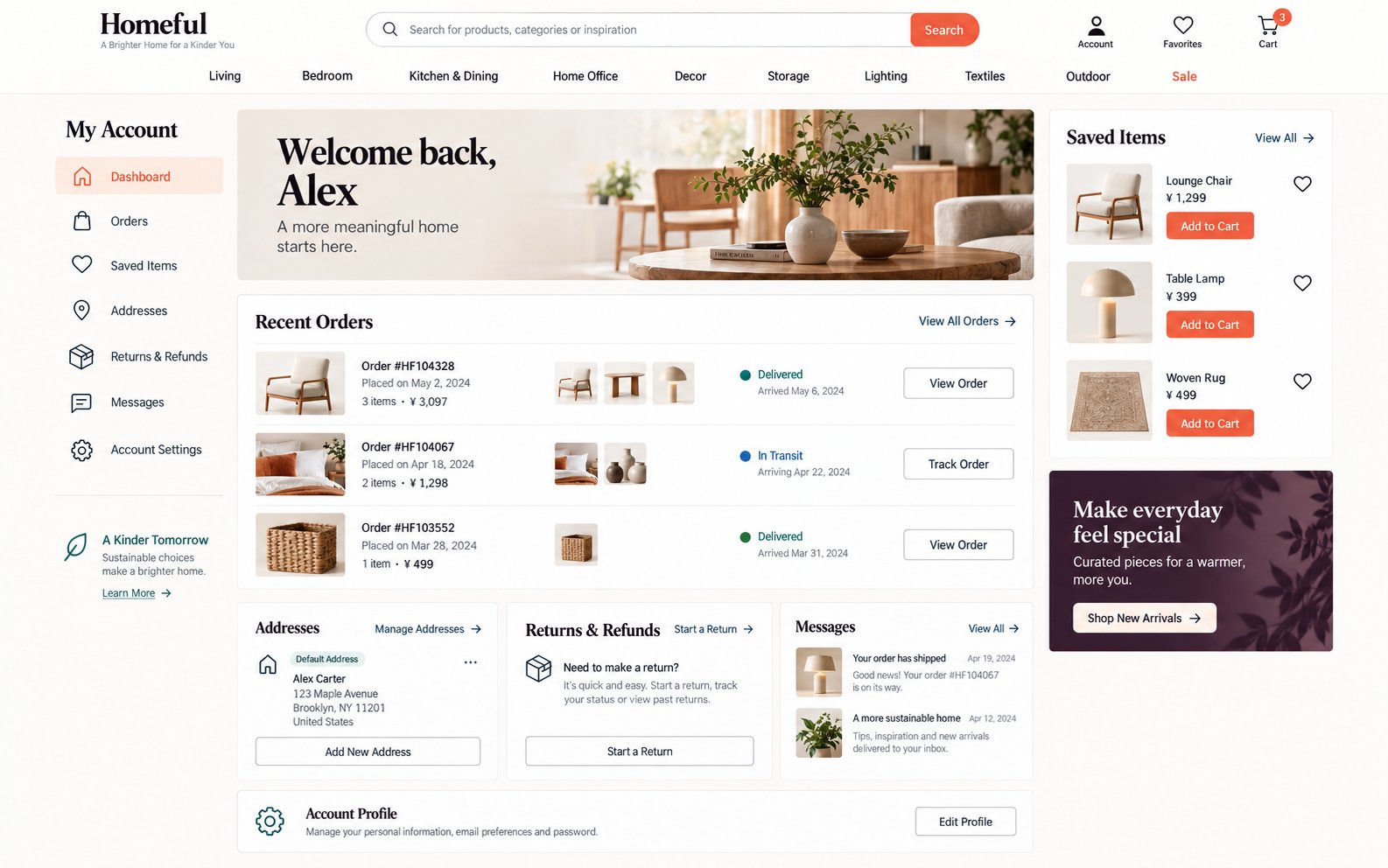
What information can be managed in the customer backend?
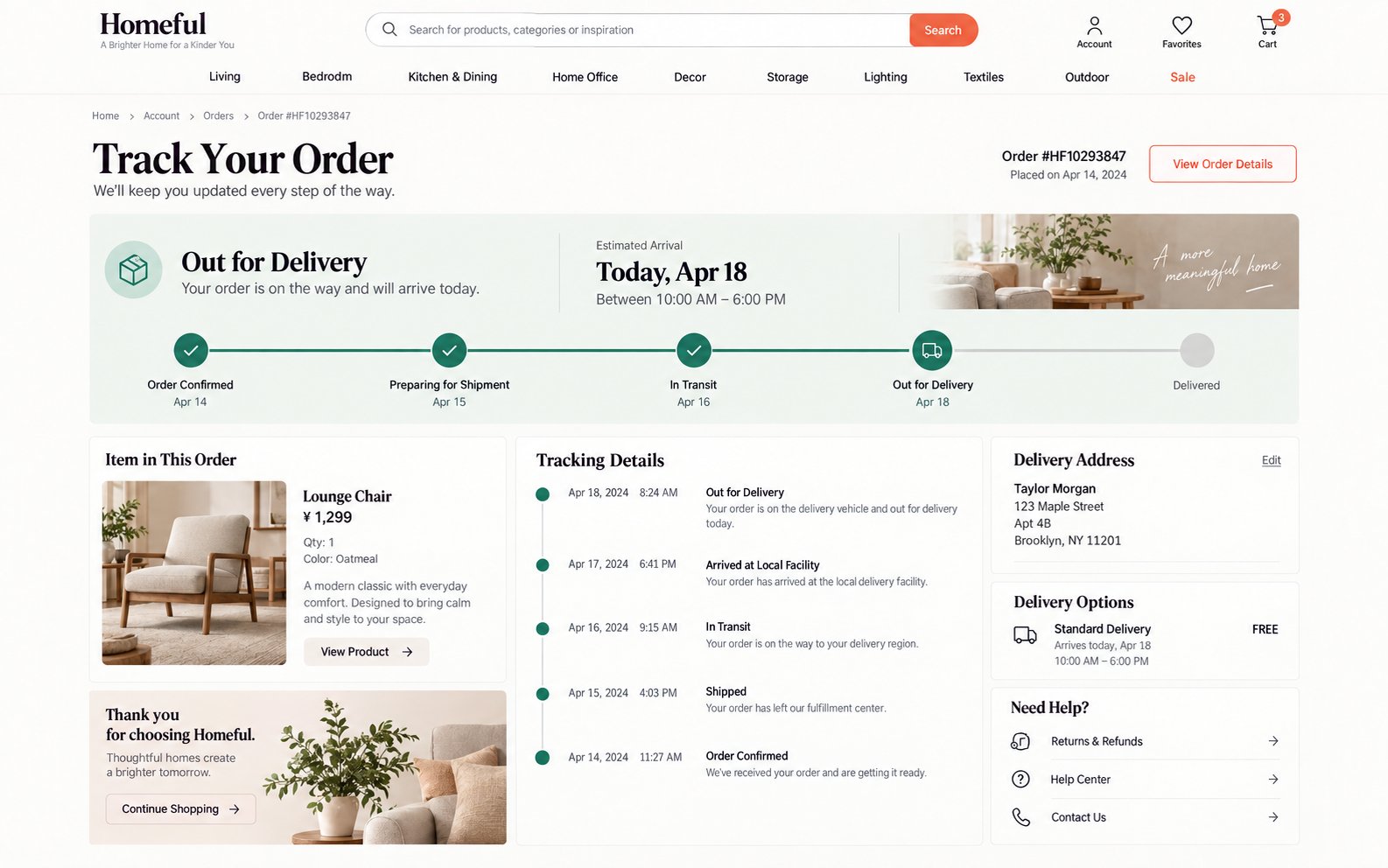
Common functions include account information, delivery address, orders, payment status, logistics progress, invoices, collections, after-sales applications and message notifications. The specific scope will be planned based on transaction mode, customer type and data permissions.
Can the e-commerce platform be connected to ERP, CRM or enterprise operation management system?
Yes. You need to first confirm the main system, interface capabilities, synchronization direction and exception handling of products, inventory, customers, prices, orders and financial data, and then select real-time interface, message queue or scheduled synchronization.
Does the e-commerce platform include SEO and GEO infrastructure?
Keywords, URLs, title descriptions, internal links, Schema, FAQ, site map, Canonical and indexable rules can be planned for category pages, product pages, brand content and knowledge centers; continuous exposure still requires content, product and data operations.
How to verify that the ordering, payment and fulfillment processes can go online?
Before going online, key scenarios such as registration and login, price and freight, preferential taxes, inventory, shopping cart, ordering, payment callbacks, order status, shipping, logistics, refunds and notifications should be covered, and verification failures, repeated submissions and abnormal recovery paths should be covered.
How to continue operating the e-commerce platform after it is launched?
After going online, products, inventory, prices, content and activities should be continuously maintained, search, visits, additional purchases, payment and repurchase data should be analyzed, and pages, settlement paths, customer operations and automated processes should be gradually optimized.